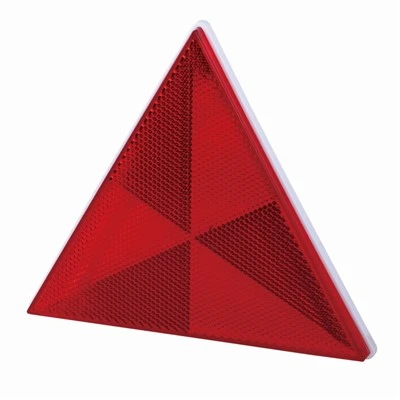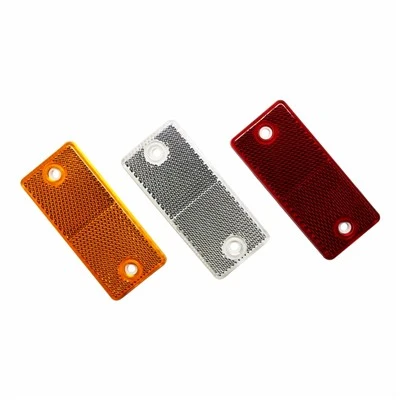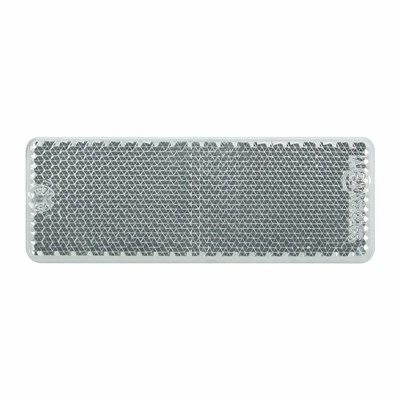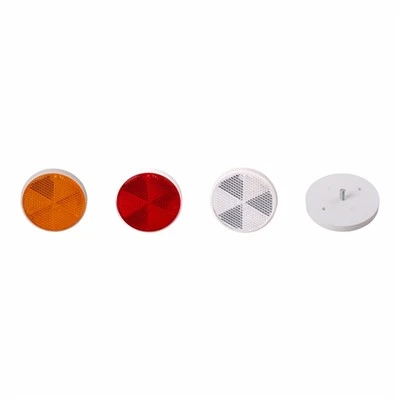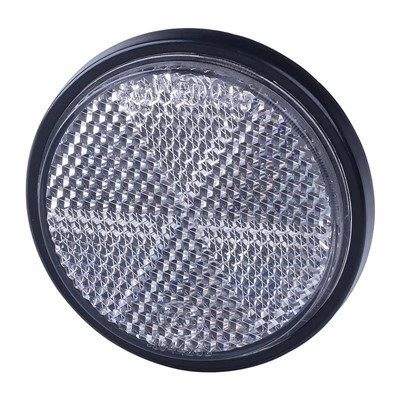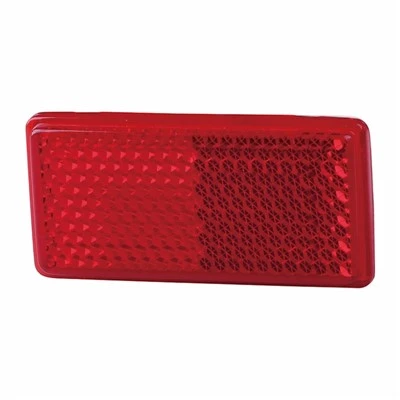
Reflex reflectors are listed as mandatory regulations in many countries, primarily because they are crucial for driving safety at night and in low visibility conditions. This device does not consume electricity and relies solely on "borrowed light reflection". It can be illuminated by the headlights from 300 meters away and reflect back light, allowing rear vehicles to detect the target ahead in a timely manner. It is a "passive safety component" to prevent rear end collisions and collisions. It is precisely because of its low cost, direct effectiveness, and significant reduction in accident risk that countries use mandatory standards to ensure the number of vehicles loaded, optical performance, and durability.
cInternational standards: The testing methods refer to international standards such as ISO 6742-2 (bicycles) to ensure consistent testing calibers across countries.
Bicycles and pedestrians: In addition to motor vehicles, there are also mandatory standards for the reflex devices of bicycles (including electric bicycles), such as China's GB/T 31887.2-2025, which have clear requirements for reflection intensity, installation position, waterproof and dustproof, with the aim of reducing the risk of nighttime riding collisions.
 Why is it necessary to 'force'
In summary, reflex reflectors are the last passive line of defense for nighttime driving, and it is only through regulatory compliance that every vehicle can be equipped and meet the standards.
Irreplaceability: It does not require a power source, and even if the vehicle loses power or the taillights are damaged, it can still rely on reflecting the light of other light sources to indicate its existence, making it a fallback solution for active lighting.
The risk of accidents is directly linked: if the rear reflector is missing or its performance does not meet the standards, the rear vehicle may not be able to respond in a timely manner due to the lack of warning during nighttime rear end collisions, which will also affect the determination of accident liability.
Unified standards are necessary for management: only by mandating photometric performance, color (front white, side yellow, back red), installation location, and durability can we have evidence for annual inspections, market spot checks, and import and export processes, and eliminate inferior products