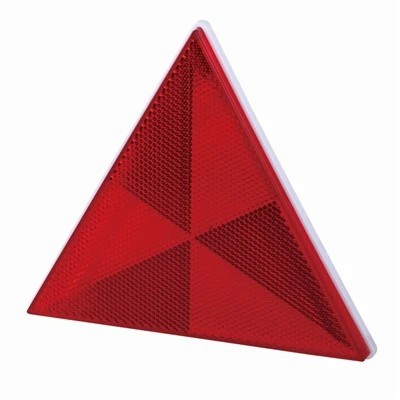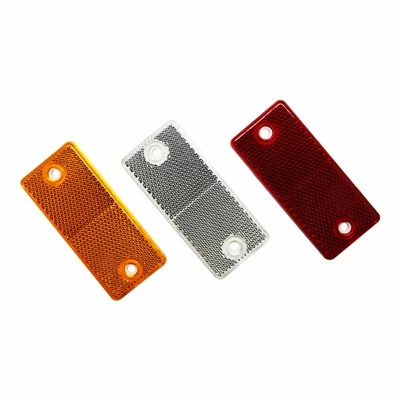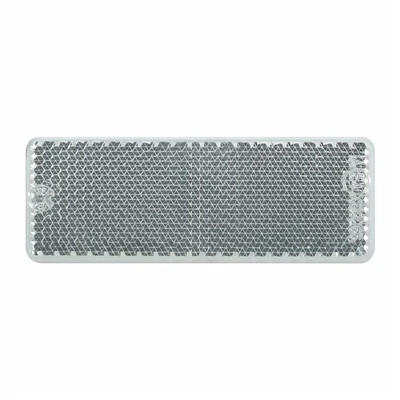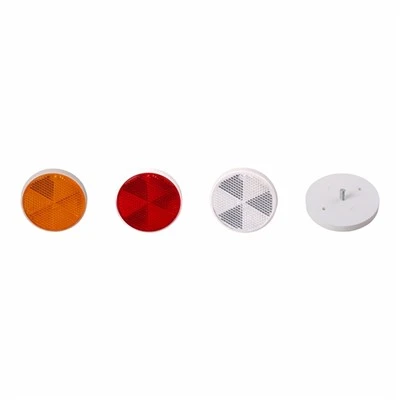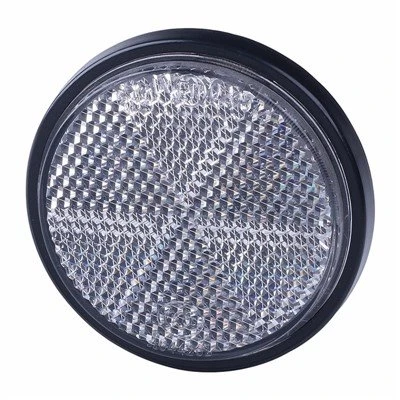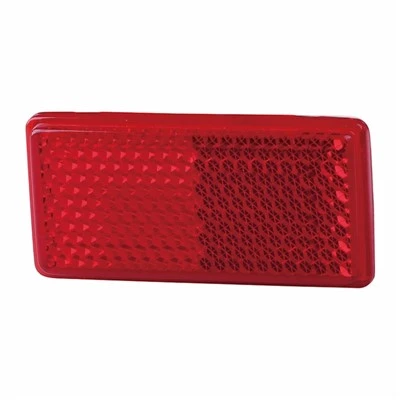
A total station reflector is a device used to measure distances and angles by reflecting a laser beam and returning the signal to the total station.
The reflector is designed to bounce the laser beam back to the total station. It typically consists of an optical reflecting surface and a mirror. By using a reflector, surveyors can read data such as distance and angle via the total station and calculate the coordinates of the target point.
Reflectors are indispensable accessories in total station surveying; they allow for measurements where direct observation of the target point might otherwise be difficult. In practical surveying, it is often necessary to measure points that cannot be directly viewed-such as high walls or utility poles-and installing a reflector makes this task easy to accomplish. Additionally, reflectors can return light signals over long distances, thereby extending the total station's measurement range.
Total station reflectors are widely used in engineering surveys for projects such as building construction and roadworks. For instance, during subway construction, workers may need to survey underground pipelines and structures from the surface; by placing a reflector above ground, the total station can capture the reflected signal and determine the coordinates of the underground target. In highway surveying, reflectors placed along the roadside allow the total station to measure elevation, distance, and coordinates, facilitating road surveying, design, and construction.
While total station reflectors are highly effective, the following precautions should be observed during use:
Keep the reflector dry and clean to maintain the reflectivity of the optical surface;
Ensure the reflector is mounted securely and stably to prevent wobbling or deformation;
During measurement, ensure the distance between the reflector and the total station remains within the instrument's operating range;
Test the pairing between the total station and the reflector before surveying to ensure the signal can be read correctly.