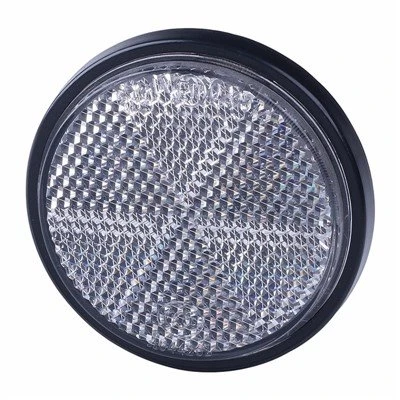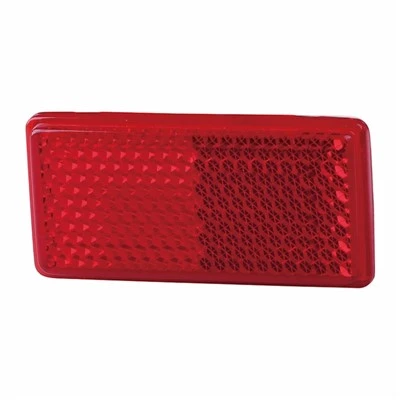
Automotive tail lights are a crucial component of a vehicle's safety system; their brightness and clarity directly impact driving safety, particularly at night or in low-visibility conditions. With the rise of car modification culture, many owners choose to upgrade their tail lights to enhance the vehicle's visual distinctiveness or improve illumination performance. Retrofitting older models with newer tail light designs is a common modification request.
Tail lights typically consist of multiple functional modules-such as brake lights, turn signals, and reverse lights-controlled by circuitry to meet lighting needs in various scenarios. The core of retrofitting an older model with a newer tail light design involves replacing the internal light sources and reflective structures while ensuring compatibility with the vehicle's existing electrical interfaces. Taking models like the Range Rover Evoque as an example, newer tail lights often utilize LED light sources; compared to traditional halogen bulbs, LEDs offer faster response times, lower energy consumption, and longer lifespans. Furthermore, newer designs often optimize light distribution, making the warning signals from brake lights and turn signals more conspicuous and reducing the risk of misinterpretation by drivers behind.
Retrofitting tail lights generally falls into two categories: replacing the entire assembly (removing the original unit and installing a new one that matches the newer model's structure) or upgrading the internal light source (retaining the original housing while replacing only the bulbs or LED boards). The former yields a more comprehensive result but requires ensuring the new assembly's connectors match the vehicle's wiring; the latter is more cost-effective but requires attention to power output and heat dissipation. Modifications must strictly adhere to traffic regulations, ensuring the retrofitted lights meet standards for brightness, color, and flashing frequency. For instance, brake lights must be red, turn signals must be yellow or amber, and the flashing frequency must range between 60 and 120 flashes per minute. Additionally, it is advisable to have a professional workshop inspect the electrical system after modification to prevent risks such as short circuits or spontaneous combustion caused by power mismatches.
Compared to the original older-model tail lights, the newer aftermarket components offer significant technical improvements. Using LED light sources as an example, the startup time is a mere 0.1 seconds-far faster than the 0.3 seconds required for halogen bulbs. This means that during emergency braking, drivers behind can detect the brake signal sooner, thereby reducing reaction distance. Furthermore, LEDs offer superior luminous efficiency-delivering over 30% more brightness for the same power consumption-and boast a lifespan exceeding 50,000 hours, thereby eliminating the hassle of frequent bulb replacements. In terms of design, modern taillights often feature three-dimensional styling and lens structures that focus the light beam, minimizing glare or scatter that could distract other drivers. For instance, the updated taillights on models like the Range Rover and Range Rover Sport utilize optimized reflector curvature to widen the brake light's illumination range while preventing dazzling effects for drivers in following vehicles.
Popular models currently supported for taillight upgrades (converting older styles to newer ones) include the Land Rover Discovery 3, Range Rover, Freelander, and Range Rover Evoque. When selecting parts, compatibility is crucial; dimensions and connectors may vary across generations (such as between the Discovery 3, 4, and 5, or the Range Rover and Range Rover Sport), so it is essential to verify that the aftermarket parts fit the vehicle's original mounting points. Additionally, opting for parts that meet OEM specifications is recommended; these products typically undergo rigorous optical and durability testing and offer better compatibility with the vehicle's electrical system. If choosing non-OEM parts, ensure they hold 3C or ECE certification to guarantee compliance with safety standards. It is also advisable to retain the original taillights for use during annual vehicle inspections, as some regions enforce strict regulations regarding modified lighting, and the original parts can serve as a reliable backup.