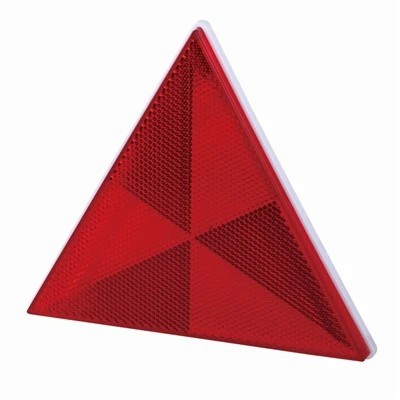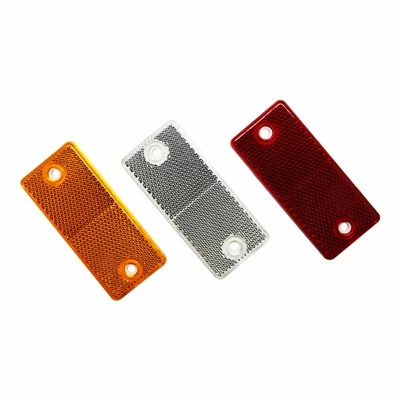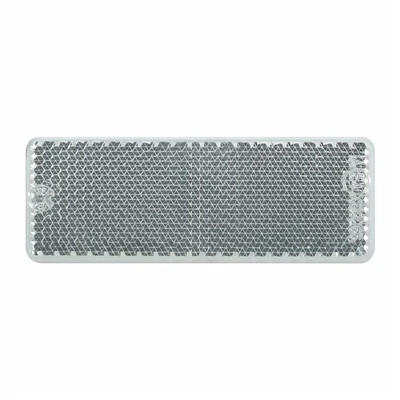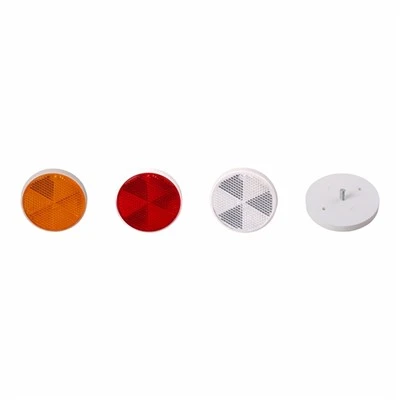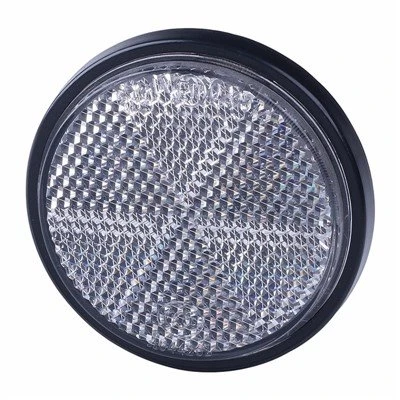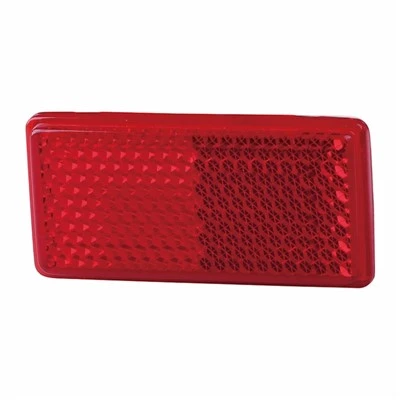
An optical reflector is a device in which a light emitter and a light receiver are arranged to face the same direction; the emitter projects light, and the receiver detects light reflected by an object to determine its presence. Typically, the transmissive type is referred to as a photo-interrupter, while the reflective type is known as an optical reflector.
The invention of the corner reflector dates back to the late 19th and early 20th centuries; its design and applications have been progressively refined alongside the maturation of radar technology. Early military applications emerged during World War II, when the British military utilized corner reflectors in air defense systems to confuse enemy radar. Subsequently, corner reflectors found their way into civilian use, demonstrating their unique reflective properties in applications such as traffic signs, bicycle tail lights, and license plates. In the 1960s, advancements in plastic manufacturing technology led to the widespread adoption of lightweight, cost-effective plastic corner reflectors, further driving their use on bicycles, vehicles, and road signage. In July 1969, the Apollo 11 mission placed a corner reflector on the lunar surface to measure the distance between the Earth and the Moon.