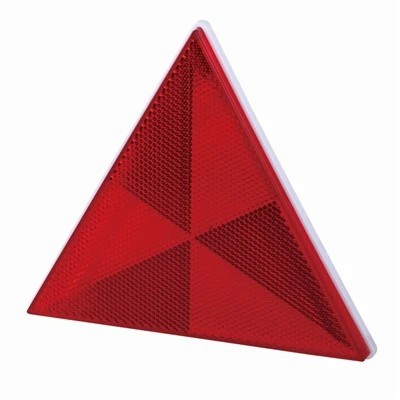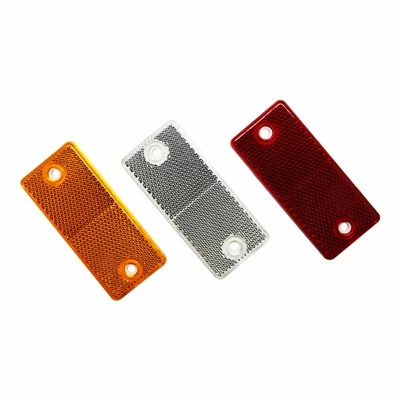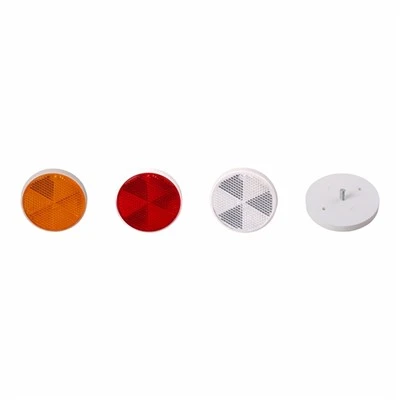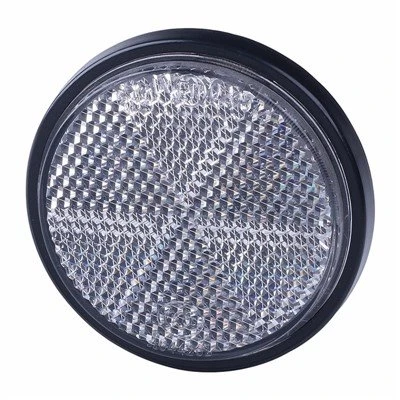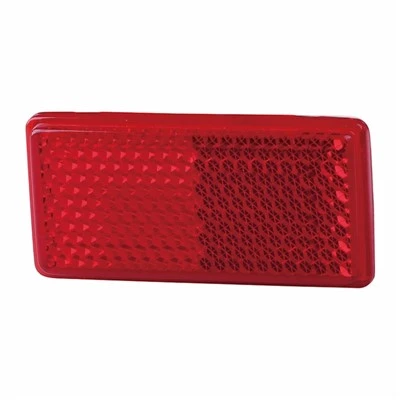
Common reflectors feature three distinct surface geometries: Parabolic, hyperbolic, and elliptical. Parabolic reflectors produce a parallel light output with excellent collimation, making them suitable for applications requiring long-range illumination, such as automotive high-beam headlights. Elliptical reflectors converge light toward a secondary focal point, effectively concentrating the beam. Hyperbolic reflectors cause the extended light paths to converge at a virtual focal point, resulting in a diverging effect.
The design process encompasses reflector geometry design, light source selection, system integration, and error analysis. Geometry design involves determining aspheric coefficients based on reflection and focal length formulas; light source selection typically involves components like LEDs; system integration combines the light source with the reflector; and error analysis evaluates how the light source's dimensions impact the system's optical performance. Regarding materials and manufacturing, reflectors can utilize high-reflectivity materials and integrated molding techniques to enhance optical efficiency-for instance, reflectors stamped from mirror-finish aluminum achieve high reflectivity. Additionally, in the production of plastic reflectors, optimizing the injection molding structure (such as using integrated molded connectors) improves material flow, minimizes surface defects, and enhances overall molding quality and consistency.
Optimization strategies often employ micro-structural designs; examples include prismatic reflectors that refine secondary light distribution-softening the light while concentrating the central hotspot-or composite reflector designs that balance light intensity with beam pattern characteristics. In the realm of automotive LED headlights, multi-surface reflectors (also known as multi-surface concentrating reflectors) represent an optimized design approach based on the principles of light reflection and complex surface geometry.