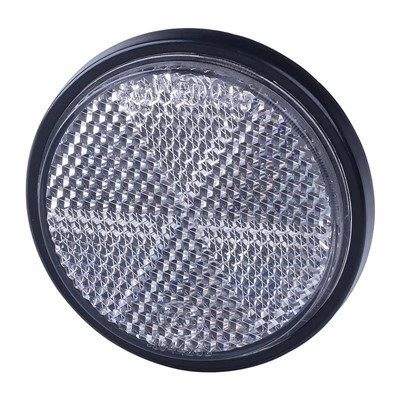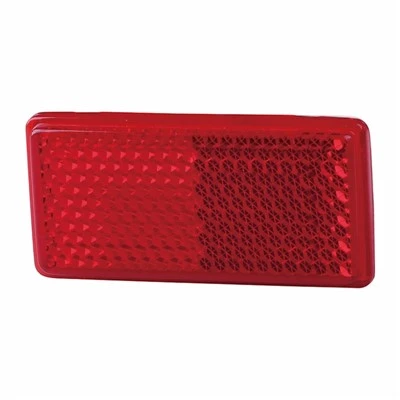
On film and television sets, crew members are often seen holding large white or silver panels to fill in light on the subjects; these are known as reflectors. Their purpose is to bounce light into the shadowed areas of a subject, thereby enhancing the image quality. Reflectors are indispensable tools for both cinematography and still photography.
Materials for Making Reflectors
Commercially available reflectors come in various sizes, materials, and price points, yet they all serve the same function. Many models are collapsible or detachable, making them highly portable.
Since the function of a reflector is to bounce light, anything capable of reflecting light can technically be considered a reflector-such as mirrors, aluminum foil, silver paper, white cloth, or white walls. Aluminum foil produces intense reflected light, whereas white cloth yields a softer glow. If the reflector surface is colored, the reflected light will take on that hue.
Regarding reflectors made from the same material, larger ones produce softer light due to their greater surface area, though they are unsuitable for small subjects. What size reflector is appropriate? Generally, a reflector about 50% larger than the subject is ideal. Additionally, for outdoor use, it is best to choose a heavier, sturdier reflector to ensure better wind resistance.
Amateur photographers can repurpose materials to make their own reflectors. For instance, a white reflector can be created by covering a flat, circular piece of thick cardboard (60–80 cm in diameter) with white cloth. By covering the other side with silver foil from cigarette packs (which may require many sheets-ensure they are pasted flat using double-sided tape or glue), you create a silver reflector; this dual-sided tool is both practical and cost-effective. Skilled readers can even construct portable, collapsible versions.
There are various ways to DIY a reflector:
Simple versions can be made by substituting the panel with white cardstock or white foam board (KT board).
More complex versions involve sewing together white, gray, or gold fabrics and fitting the assembly over a spring-steel hoop-creating a collapsible design! Convenient to carry!